


In January 2026, freight and transport scams were no longer just industry rumors—they were becoming everyday problems for businesses across the southern United States. States like Texas, Georgia, and Louisiana—which move enormous volumes of goods every day—have turned into hotspots for organized logistics fraud. With tight delivery schedules and heavy reliance on online systems, scammers are finding it easier than ever to blend in, look legitimate, and strike before anyone realizes something is wrong.
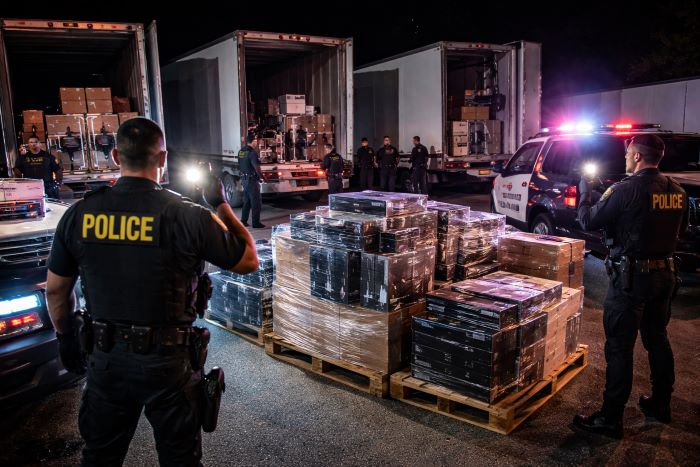
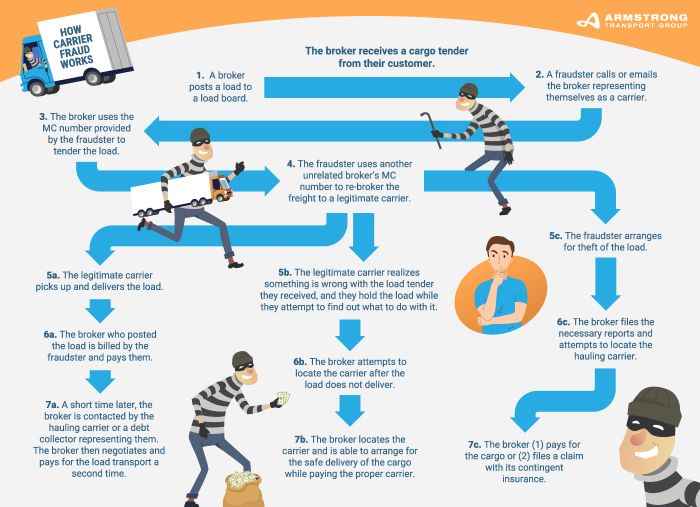
At the heart of the problem are scams that feel very real and professional on the surface. One of the most common is the ghost carrier scam, where criminals pose as trucking companies using stolen or fake credentials. They appear on load boards, respond quickly, share convincing insurance documents, and sound completely legitimate. Once the shipment is picked up, however, the truck—and the cargo—simply vanish. By the time brokers or shippers realize the load is missing, tracking the fraudsters becomes extremely difficult.
Another growing issue is double-brokering, a practice where a scammer accepts a load and then secretly hands it off to another carrier without permission. This breaks trust, causes delays, and often leads to cargo being delivered to the wrong place—or not delivered at all. When something goes wrong, no one is quite sure who is responsible, which gives criminals exactly the confusion they need to escape.
Even more troubling is the rise in identity theft within the transport industry. Fraudsters are stealing the identities of real, licensed carriers or brokers and using those details to book loads. Because the name and registration belong to a legitimate company, red flags are often missed. Fake paperwork, altered email addresses, and forged delivery confirmations make the scam look authentic until the shipment fails to arrive. By then, the damage is already done.
A real case that shows how serious these scams have become involved a high-profile vehicle transport theft in late 2025. A customized $180,000 Range Rover belonging to former NBA star Shaquille O’Neal was picked up in Dahlonega by what appeared to be a legitimate transport company. Instead of reaching its destination in Baton Rouge, the vehicle was diverted to an unauthorized location near Atlanta and disappeared. Investigators believe the pickup was carried out using impersonated carrier credentials—a tactic that mirrors many freight scams now continuing into 2026.
The southern U.S. is especially vulnerable because it is a backbone of American logistics. Texas handles massive freight traffic, Georgia connects ports and interstates, and Louisiana plays a key role in shipping and industrial transport. With so much cargo moving so fast, even small gaps in verification can be exploited. Scammers rely on urgency, pressure, and digital communication to push loads through before anyone double-checks the details.
Freight Fraud Consequences :
The consequences go far beyond lost cargo. Businesses face missed deadlines, unhappy customers, insurance disputes, and long-term damage to their reputation. For smaller carriers and brokers, just one fraudulent shipment can be financially devastating. What makes this even more dangerous is that these scams are becoming organized and repeatable, not random acts of theft.
As 2026 moves forward, one thing is clear: freight and logistics fraud is no longer a rare risk—it’s a real and growing threat. Companies operating in the southern transport industry need stronger verification, better digital security, careful document checks, and trained teams who know how these scams work. Staying alert and informed may now be just as important as having trucks on the road, because the cost of trusting the wrong carrier can be enormous.
Readers interested in similar cases can explore our transport scam alerts and logistics fraud investigations sections to stay informed about emerging threats. Click Here to Explore
⚠️ Your report can help stop repeat scams. Even small details may prevent others from becoming victims.
According to reports from the Federal Motor Carrier Safety Administration, identity theft and ghost carrier scams are increasing across freight corridors in the southern United States. Industry investigations published by FreightWaves and National Insurance Crime Bureau show that organized cargo theft rings are exploiting digital load boards and weak verification systems.